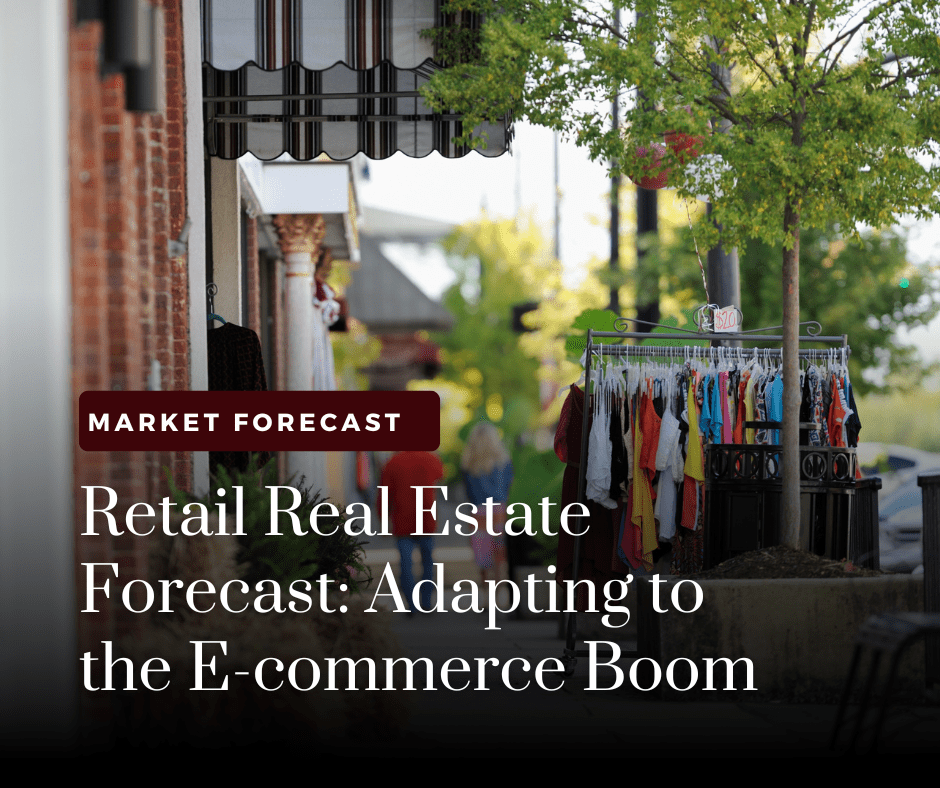
The rise of e-commerce has fundamentally changed the retail landscape, and with it, the approach to retail real estate. As more consumers turn to online shopping, traditional brick-and-mortar stores are being forced to adapt. Here are some key ways in which retail real estate is evolving to meet these new demands.
Creating Mixed-Use Environments
One of the most significant shifts in retail real estate is the move towards mixed-use and immersive environments. These developments combine retail, residential, dining, and office spaces, creating a vibrant community where people can live, work, and shop. This approach offers several benefits:
Increased Property Value: Mixed-use developments can command higher property values due to their multifaceted appeal. The integration of residential, office, and retail, entertainment, and restaurant spaces makes these properties attractive to a broader range of tenants and buyers.
Diverse Revenue Streams: By diversifying the types of tenants, investors can create multiple revenue streams, reducing reliance on a single sector.
Increased Foot Traffic: By integrating residential and office spaces, mixed-use developments ensure a steady stream of potential customers for retail stores. Residents and office workers provide a built-in customer base that can help sustain retail businesses.
Enhanced Demand and Lower Vacancy Rates: The mix of uses can cause a steady stream of foot traffic, which benefits retail tenants and can lead to lower vacancy rates. The presence of amenities like parks, gyms, entertainment venues, and diverse dining options makes these environments attractive to residents and visitors alike.
Enhanced Customer Experience: Mixed-use environments often enhance the overall experience for visitors, making it more likely they will stay longer and spend more.
Sustainability and Convenience: Mixed-use developments can reduce the need for long commutes, promoting sustainability and convenience. Residents can access essential services and shopping options within walking distance, fostering a sense of community and reducing the carbon footprint.
Enhancing Customer Experiences
The growth of e-commerce means that physical retail spaces must offer unique, compelling experiences to draw in customers. This is an important consideration for investors when evaluating potential properties:
Experiential Retail Spaces: Properties that can accommodate stores offering activities, events, or workshops are more likely to attract innovative retail tenants. These experiences create a draw that online shopping can’t replicate, making the retail spaces more valuable.
Technologically Integrated Spaces: Retailers are increasingly using technology to enhance the shopping experience. Properties with infrastructure that supports technological integration, such as high-speed internet and advanced security systems, will be in higher demand.
Personalized Service Environments: Spaces designed to facilitate personalized services, with features like adaptable layouts and easy access, can attract high-end retailers looking to offer a unique shopping experience.
The Importance of Omnichannel Strategies
To stay competitive, retailers are adopting omnichannel strategies that blend online and offline experiences. Investors should consider how well a property can support these strategies:
Adaptable Spaces: Properties that can support various retail formats, such as showrooms, pickup locations, and traditional stores, are more versatile and attractive to a range of retailers.
Integrated Inventory and Logistics: Locations with infrastructure that supports seamless integration of online and offline inventory systems can attract retailers focused on omnichannel strategies. This includes features like ample storage space for inventory and convenient loading docks for shipping and receiving.
Unified Customer Experience: Properties that facilitate a cohesive customer experience across channels, such as easy in-store navigation and tech-friendly designs, will be more appealing to retailers implementing omnichannel approaches.
Conclusion
The e-commerce boom has undoubtedly transformed the retail real estate landscape, presenting both challenges and opportunities for investors. By focusing on mixed-use environments, enhancing customer experiences, and supporting omnichannel strategies, investors can position themselves to benefit from the evolving market. Properties that can adapt to these trends will be well-positioned for sustained success, offering higher value and more stable returns.
Retail real estate is at a pivotal point, and those who adapt to these changes will be well-positioned for success in the years to come. How is your investment strategy evolving in response to the e-commerce boom? Share your thoughts in the comments below!

 Raze Capital